A Practical Guide to Wool Type Selection for Textile Projects
Explore the nuanced world of wool, from the softest Merino to the resilient Rambouillet, and learn how fiber origin, preparation, and care shape texture, durability, and drape in knitting and textile work. This guide marries craft intuition with practical science, offering actionable recommendations for beginners and seasoned artisans alike.
Wool Families at a Glance
Wool is not a single fiber but a family of fibers each with a voice of its own. The four families that most commonly anchor projects are Merino, Alpaca, Corriedale, and Rambouillet. Each brings a distinct blend of softness, warmth, elasticity, and ease of care, shaping how a fabric feels and behaves in a stitch pattern and garment or accessory.
Merino
Merino is the gentlest among common wools. Fine-grained and renowned for exceptional softness, Merino excels in next-to-skin garments, shawls, and light sweaters. It has excellent elasticity, resists pilling when handled with mindful care, and offers remarkable warmth-to-weight ratio. Its ultra-fine fibers create a smooth hand that doesn’t itch, appealing to knitters who crave comfort without bulk.
Care tip: handwash or machine-wash on gentle cycles with cold water; lay flat to dry. Merino’s natural moisture-wicking helps it stay fresh with minimal maintenance.
Alpaca
Alpaca fiber is prized for its warmth, lightness, and a drape that feels silken. It tends to be warmer than Merino per unit weight, with a slightly crisper hand that blooms with wear. Alpaca often carries less prickle than some other wools, making it a favorite for scarves, shawls, and cozy outerwear.
Care tip: avoid harsh agitation; dry clean or hand wash gently. Alpaca can pill with friction, so opt for larger needles and looser gauge when designing garments.
Corriedale
Corriedale strikes a balance between softness and durability, offering robust stitch definition and a versatile hand. It yields a warm fabric with good elasticity, suited for sweaters, blankets, and accessories that need to hold their shape through repeated wear and washing.
Care tip: Corriedale handles machine washing with care, though occasional handwashing preserves loft longer. Dry flat for best results.
Rambouillet
Rambouillet, a French-origin long-wool breed, offers a refined fiber with excellent warmth and durability. It’s a top choice for structured textiles and colorwork, where stitch definition matters as much as warmth and longevity.
Care tip: follow standard wool care; avoid high heat and aggressive agitation to protect crimp and loft.
From Fleece to Hand: How Origin and Preparation Shape Handfeel
The journey of wool from fleece to finished textile is a choreography of geography, climate, and technique. Each fleece carries a history of pasture, breed, shearing season, and the mill that processes it. The journey matters because texture, stitch definition, and durability begin with the fiber’s natural attributes—crimp, staple length, and diameter—and are magnified by how the fiber is prepared and spun.
Handfeel and Crimp
Crimp—the natural wave along the fiber—affects elasticity and loft. A higher crimp generally yields more spring and a cushier hand, which translates into bouncy stitches and better gauge stability in garments. Staple length also matters: longer staples produce smoother, more even fabric with less pilling, while shorter staples can yield a warmer but fuzzier texture.
Origin and Climate
The climate where a sheep grazes influences the fiber’s density and crispness. Mountain ranges and pasture diversity foster fibrous resilience, while arid regions can yield lighter fibers with a delicate hand. Processing regions, from shearing to scouring to spinning, imprint subtle hallmarks on the finished yarn—bias, drift in color, and the yarn’s bounce under a given gauge.
Preparation and Spin
Preparation—scouring, carding, combing—alters the surface finishing and pliability of the fiber. Spinning techniques then determine twist, which controls how the fiber resists wear and how it holds pattern. A softly spun Merino will bloom beautifully when blocked, whereas a tightly spun Rambouillet may hold crisp cables with less tendency to relax over time.
Care, Blocking, and Maintenance: Keeping Wool Projects Healthy Across Seasons
Care decisions extend a project’s life. Wool’s natural resilience makes it incredibly forgiving, but the wrong care can foil even the finest yarns. Understanding washing guidelines, blocking methods, and storage strategies helps preserve stitch definition, shape, and softness, ensuring your projects endure year after year.
- Washing: Many Merino and fine wools tolerate cool machine washing on gentle cycles. Always check the yarn label or pattern notes for tension and wash instructions. If handwashing, use lukewarm water and a mild wool-friendly detergent; avoid agitation that can felt fibers.
- Blocking: Blocking is the decisive moment when a fabric reveals its true gauge. Wet-block gently to shape, then pin or mold until the fabric dries flat, allowing stitches to settle into their intended form.
- Storage: Store finished pieces in breathable bags; avoid plastic that traps moisture. For long-term collections, consider cedar or lavender sachets to deter moths without chemical sprays.
The right combination of fiber knowledge and care practice transforms a simple scarf into a timeless piece, or a plain cardigan into a wearable artifact that patinas with time. The reward lies not only in warmth but in understanding the fiber’s temperament—the way its fibers shift with body heat, humidity, and wear, revealing a garment that grows with you.
A Curated Selection: Product as Reference and Inspiration
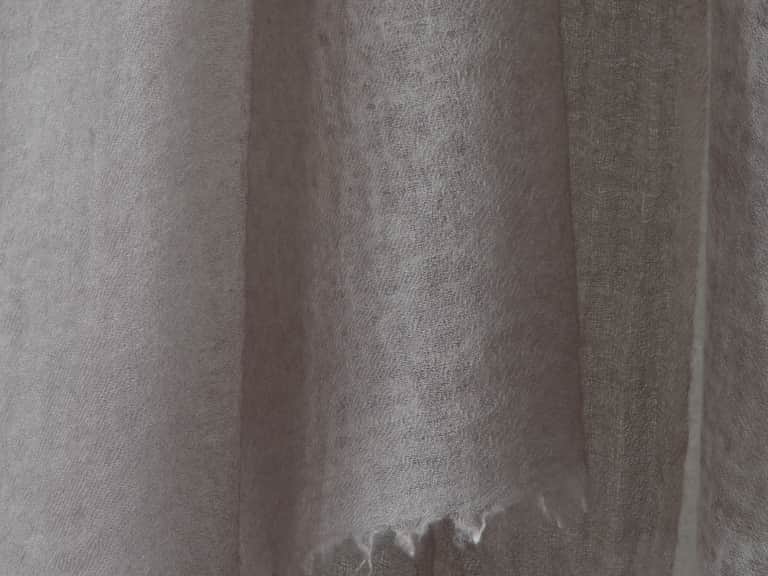
A tactile textile project often begins with a touchstone—an item that embodies a fiber’s potential. For this guide, we foreground a real-world product from a curated textile collection. The Pal Twill Scarf, an extra-fine cashmere scarf with garment-dyed sophistication, exemplifies how fiber density, finish, and dye interact to create a versatile accessory that remains light and luxurious to the touch. Its hand-spray dyeing yields a unique, pastel tonal range and a subtle, felted finish that softens with wear, echoing the natural bloom of Merino and the drape of Alpaca in a refined, wearable frame.
Pal Twill Scarf (Society Limonta)
Material: cashmere 100%
Finish: felted effect from garment-dyeing
Construction: hand-spray dyed; garment-dyeing process
Price: $295.00
Why this scarf matters for wool selection: It illustrates how a fiber’s natural loft and premium handling—cashmere here—combine with dye and finishing to produce a garment that is both luxurious and enduring. In this lineage, Merino or Rambouillet might present even subtler handfeel and bounce, but the principle remains: fiber choice, finish, and dyework co-create the wearer’s experience.
This is the kind of tangible reference that anchors a textile project’s philosophy: the fiber’s temperament arrives not only in a pattern swatch but in a finished shawl or scarf that invites daily, lived-in appreciation.
Three Key Figures Across Time
To give texture to the fiber conversation, here are three influential figures from distinct eras whose contributions to wool, textiles, and craft continue to resonate in today’s workshops and studios.
Thomas Shaw, 18th Century (Britain)
Shaw’s era was a rupture between cottage industry and industrial-scale textile production. While not a single inventor by name, the milieu—encompassing spinners, weavers, and dyers—captured wool as a living material that could become a national craft economy. Shaw’s contemporaries shaped a culture of meticulous fiber preparation and machine-assisted weaving, enabling the soft, consistent fabrics that later generations would cherish. In the context of our guide, Shaw’s legacy invites us to consider fiber preparation’s role in achieving stitch definition and durability, especially as we experiment with longer staple fibers and finer counts.
Anne Sedgwick, 19th Century (United States)
Sedgwick’s era witnessed the expansion of home-based textile knowledge into public education, as needlecraft and textile arts learned a place within literacy and manners curricula. Her contributions—though often overlooked—reflect a democratization of fiber arts. In modern practice, Sedgwick’s spirit lives in beginner guides, glossary expansions, and inclusive tutorials designed to welcome crafters of all backgrounds. Her ethos encourages us to document fiber knowledge accessibly, ensuring that the conversation around wool is intelligible and welcoming to newcomers.
Gurpreet Kaur, 21st Century (Global Textile Innovation)
In our contemporary moment, Gurpreet Kaur embodies the fusion of tradition and technology—responsible sourcing, sustainable processing, and transparent supply chains. Her narrative aligns with our Direction A focus: a knowledge hub that respects wool’s origins, highlights ethical practices, and presents care guidelines that extend the life of natural fibers. This view invites readers to consider the ecological footprint of each project and the ways fiber knowledge can inform conscious making—from dye chemistry to post-wash care, all while preserving the textile’s tactile magic.
A Special Note on a Featured Product
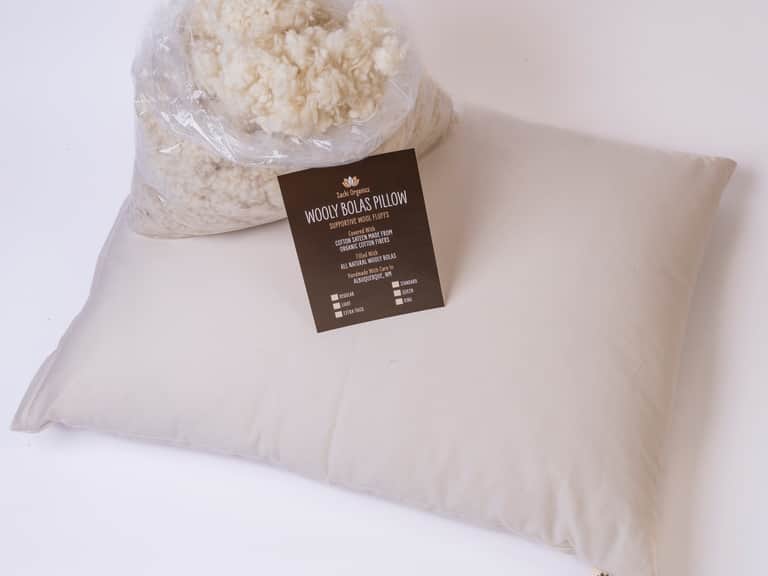
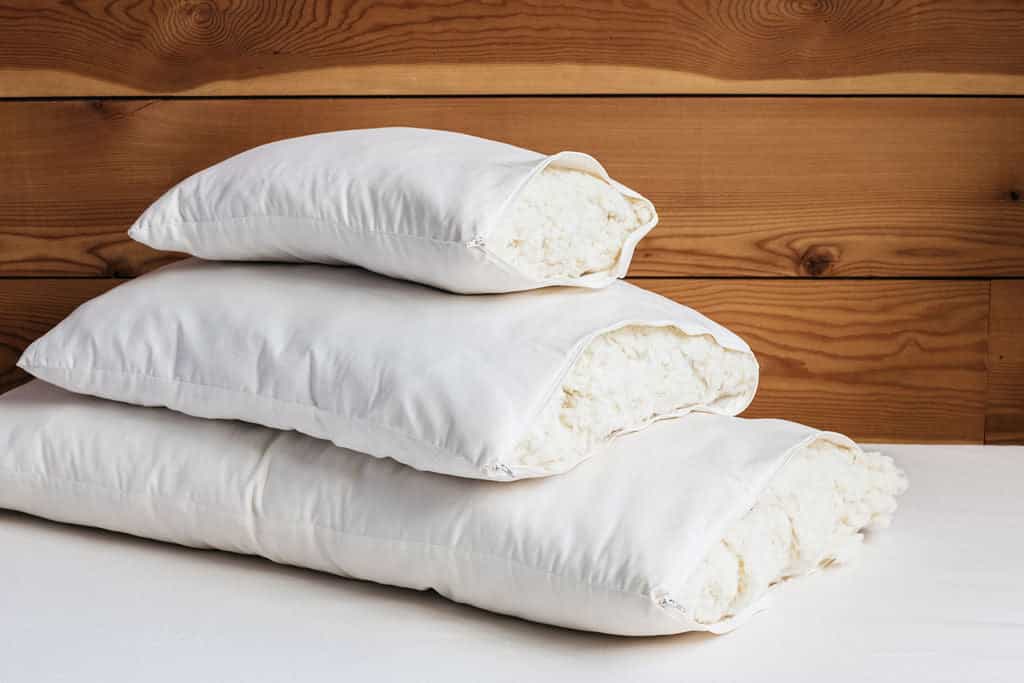
To illustrate the bridging function between fiber theory and tactile practice, we spotlight the Organic Wooly Down Bed Pillow. This pillow embodies the union of natural wool with organic cotton, offering adjustable loft and year-round comfort. It demonstrates how wool’s heat regulation and breathability translate into everyday objects beyond garments—into bedding that rests with you through changing seasons. The product’s design—zippered case, removable puffs for adjustable fill, and a shell from organic cotton—embodies a practical synthesis of textile science and comfort.
Organic Wooly Down Bed Pillow
Material: 100% organic cotton fabric; organic wool fill
Construction: Zippered case; removable wool puffs for adjustable fill
Care: Fill not washable; case washable; machine wash cold and line dry or tumble dry low
Why it matters: The pillow translates wool’s core benefits—temperature regulation, breathability, and softness—into a sleep accessory. It reminds us that wool’s value extends beyond clothing into everyday objects, inviting readers to design textile ecosystems that honor natural fibers across rooms and routines.
Images display product details and textures, offering a tactile sense even in the absence of direct contact. The combination of organic cotton shell and wool fill is a practical demonstration of fiber knowledge in action.
Conclusion: Craft, Care, and the Curious Mind
Wool is a living material with a spectrum of textures, warmth, and resilience. By understanding fiber families, the influence of origin and preparation, and the maintenance practices that sustain shape and loft, knitters, weavers, and textile students can choose the right wool for every project. This guide is a compass—pointing toward Merino’s softness for delicate shawls, Alpaca’s warmth for luminous capes, Corriedale’s sturdy versatility for everyday sweaters, and Rambouillet’s refined structure for timeless textiles.
As we continue to explore wool in all its facets, may your practice be generous, your notes precise, and your finished pieces something you return to with a quiet, grateful pleasure. The thread of knowledge is the loom of memory—keep knitting it forward.
This article is inspired by the Woolcardi ethos: a cozy, informed, and sustainable approach to textile knowledge. For further reading and practice, consider starting with beginner-friendly stitch guides and glossary pages in Direction A’s framework.