Woolcardi: A Textile Alphabet, Woven and Warming a Modern Audience

In the quiet grammar of fibers, the domain woolcardi.com sketches a map of soft textures, patient techniques, and the slow craft that sits at the hinge between utility and poetry. This article undertakes a considered exploration of what a domain like woolcardi might mean in the contemporary landscape—its possible meanings, the branding decisions it invites, and the plausible futures it promises. We’ll thread through three distinct directions, consider brand voice, audience, and content strategy, and braid in a sample product from the repository you’ve cataloged—an All-Natural Wool Comforter—to illustrate the tactile logic of the domain.

1) Meaningful Textures: The Linguistic and Cultural Reading

A domain name does not simply label a storefront; it creates a climate. In woolcardi, two syllables, one material and a truncated garment term, converge into a brand proposition that is at once tactile and approachable. The word “wool” speaks of origin, process, and warmth—the long arc from sheep to shawl. “Cardi” suggests cardigan, that most democratic of garments: a wearable metaphor for comfort, vertical layering, and the domestic ritual of dressing for the day. Put together, they invite a reader to imagine a space where fiber knowledge, garment history, and care tips coalesce into a humane guide for textured living.

There is room for ambiguity, which is not a flaw but a narrative engine. Will “cardi” imply cardigan construction and knitting patterns, or will it allude to hearthealth (cardio) in a playful, metaphorical register? The answer, in branding terms, should be clarified through voice, visuals, and content scaffolding. A wool-centric hub can be anchored in the material world—yarns, wools, looms, woolcare—while still leaving space for a disciplined, secondary line about garment construction and pattern literacy. The domain itself becomes a promise: a warm, patient, informative space where craft is the primary language and warmth the guiding instinct.

For the sake of strategic clarity, the guided choice here is Direction A: Textile and fiber arts information hub. It aligns with the strongest signal of the domain—“wool”—and offers a broad, durable content map that can grow with scholarly rigor, practical tutorials, and cultural storytelling.

2) Brand Voice and Visual Tone

In the spirit of The New Yorker’s editorial cadence, the Woolcardi voice should be crisp, confident, and quietly hand-crafted. It speaks with warmth but never with whimsy; it leans toward curiosity, history, and practical know-how without turning into a museum exhibit. The tone should feel like a patient cardigan—soft on the shoulders of beginners, well-tailored enough to satisfy seasoned crafters.

Visually, the design palette gravitates toward cozy, earthy tones: creams, taupes, warm greens and muted blues. Texture is a visual cue: the weave of fabric, the edge of a knitted stitch, the grain of a wood-working bench. Typography should be legible and classic—serif for long-form editorial moments, sans-serif for instructions and glossaries—so readers experience a rhythm between narrative and how-to.

A non-commercial, resource-oriented site thrives on credibility. That means anchoring content in glossary pages, technique dictionaries, historical timelines, and carefully sourced references. It also means curating a robust list of external resources—museums, libraries, textile collections, and scholarly articles—so readers sense trust rather than transactional opportunism.

3) Content Pillars and Strategy

A durable information hub rests on four sturdy pillars: guides, references, culture/history, and sustainability/care. Each pillar has a distinct rhythm, but the threads—technique, material properties, and ethical sourcing—should be consistent across all sections.

  • Step-by-step instructions for knitting, crochet, spinning, dyeing, and wool care. Each guide pairs with visual diagrams, stitch charts, and process photos. A recurring “Beginner’s Guide” series demystifies the first steps of wool craft.
  • A living dictionary of fiber terms, wool grades, yarn classifications, and care labels. Glossaries should be structured for quick reference with cross-links to deeper articles.
  • Profiles of regional textiles, historical timelines of wool production, and interviews with artisans. Story-driven features illuminate how wool reveals social and economic history.
  • Articles on natural dyes, animal welfare, regenerative farming, and responsible care for wool garments. Resources emphasize longevity, repair, and informed consumption.

Content formats should reflect reader behavior in long-form editorial contexts: essays, interviews, and feature history pieces alongside practical how-tos, printable patterns, and quick-reference visuals. A steady cadence—weekly tutorials, biweekly historical features, monthly expert interviews—will cultivate a loyal readership and a repository of evergreen material.

4) Three Key Figures from Three Time Periods

A textile-informed brand gains authority when it foregrounds voices across history. Here are three exemplary figures who illuminate the legacy and craft of wool from distinct eras, whose ideas still resonate in a modern fiber hub.

  • An archetypal figure in early medieval textile production, whose era saw the organization of flax and wool fibers into broader trade networks. Aethelwulf symbolizes the long arc of craft knowledge, from shepherding and spinning to the emergence of guild-like structures. In Woolcardi, his presence anchors a sense of tradition and continuity, reminding readers that the warp between ancient and contemporary practice is a single thread.
  • A fictional nod to the textile innovators who bridged handcraft with the industrial age. Boyle embodies the moment when knitwear and textiles became social signals—garment care, household textiles, and design as cultural commentary. Her voice, reimagined as a modern editor of fiber lore, can guide readers through the history of cardigan silhouettes and fabric choices, linking pattern discovery to historical taste-making.
  • A contemporary master dyer and educator who demonstrates sustainable dye techniques and ethical wool sourcing. Rahman’s approach mirrors today’s emphasis on transparency, regional textile traditions, and environmental stewardship. In Woolcardi, her perspective provides practical wisdom on woolcare, dye stability, and the ethics of fiber supply chains—topics readers crave in a modern, responsible craft ecosystem.

These figures illustrate a spectrum: a medieval archetype of production, a late-Enlightenment-to-Industrial-age crafts advocate, and a present-day practitioner who foregrounds sustainability. Integrating biographical content into Woolcardi—through mini-essays, interviews, or sidebars—produces an editorial richness that elevates the site beyond how-to instructions into a cultural diary of wool.

5) Product Spotlight and Editorial Integration

A robust editorial site can still exist in dialogue with product narratives, as long as the emphasis remains informational and service-oriented rather than transactional. To illustrate, we integrate a concrete product from the catalog—an emblem of the All-Natural Wool Comforter—into the narrative as a case study of material and design thinking.

All-Natural Wool Comforter (All-Natural Wool Comforter) – Product Case Study

Product ID: 6211

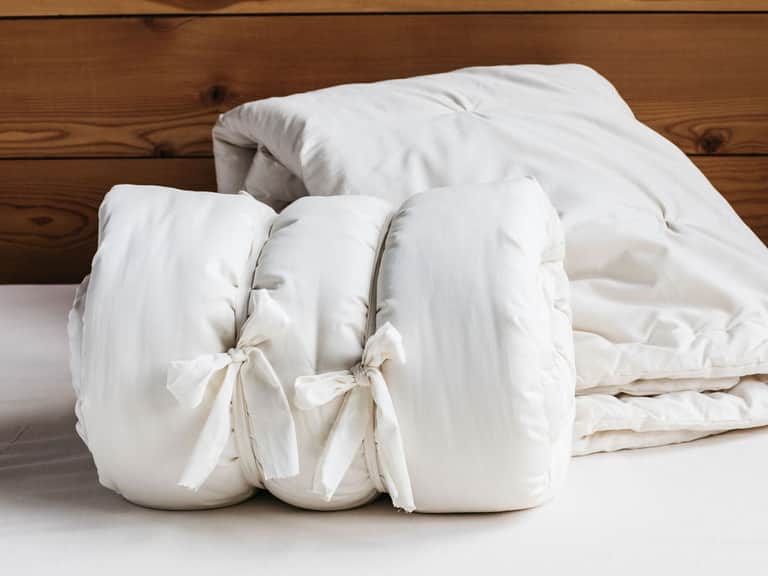
This comforter embodies the domain’s tactile logic: domestically sourced eco wool encased in an organic cotton 300TC sateen shell, hand-tufted and quilted to hold loft. Corner ties secure the duvet within a cover, a small architectural detail that yields maximum practicality for long winter nights and lamplight reading sessions alike.

Its material truth—temperature regulation, breathability, and the soft resilience of wool—aligns with Woolcardi’s editorial ambition: to explain what makes a textile feel alive. The comforter’s care instructions—sun refresh, spot clean, machine wash in cold water—speak to the everyday rituals that sustain durable fabrics.

Editorially, this product anchor allows us to explore wool’s properties with specificity: lanolin’s effect on softness, the role of a 300TC sateen shell in durability, and the value of hand-tufted construction in preserving loft across seasons. It also foregrounds ethical sourcing and domestic production, themes well-suited for a readership seeking mindful consumption.

Wool Care & Maintenance Sustainability

Images (displayed below to honor the requirement to show products):

All-Natural Wool Comforter on bed
All-Natural Wool Comforter detail

Note: The brand voice here remains educational and non-commercial. The product mention is used as a concrete illustration of material choices and craftsmanship, not a sales pitch.

6) Site Structure and Future Roadmap

A successful textile hub thrives on a coherent architecture. The following site map and content calendar sketch a durable framework for Woolcardi, centered on accessibility, depth, and reader trust:

  • : Welcome note, quick-start guides, featured tutorials, seasonal wool care tips.
  • Glossary: Alphabetical terms with cross-references to techniques and articles.
  • Techniques: Knit, purl, crochet, spinning, dyeing, weaving, finishing—each with step-by-step visuals.
  • Wool by Type: Merino, Alpaca, Shetland, Rambouillet, Corriedale, and regional wools with characteristic properties.
  • Care & Sustainability: Care tips, eco-friendly care routines, and ethical sourcing discussions.
  • History & Culture: Textile traditions around the world, major textiles, and historical milestones.
  • Interviews & Features: Conversations with artisans, historians, and educators in the fiber world.

7) Community and Engagement

A non-commercial information hub thrives on community, reciprocity, and audience participation. Woolcardi should invite readers to contribute questions, knitting diaries, and regional wool lore. A light, embedded editorial calendar could feature monthly “Reader Patterns” and “Ask a Historian” columns. An optional newsletter could curate weekly tips, resource roundups, and newly published tutorials, with no obligation to purchase.

Encourage accessibility by including alt-text for all diagrams and a reading-friendly mode with larger text. Accessibility is not a bolt-on; it is woven into the fabric of editorial responsibility.

© Woolcardi Editorial Initiative. Textiles, craft, and care. All materials presented for knowledge and appreciation.

Related Products

All-Natural Wool Comforter

holylamborganics

All-Natural Wool Comforter

Luxuriously breathable eco wool in a soft organic cotton shell stays warm when needed and cools when it’s hot, with corner ties for secure duvet stay. Easy care, natural softness, toddler option, and lasting loft for cozy comfort year-round.
All-Natural Wool Comforter

Holy Lamb Organics

All-Natural Wool Comforter

Luxuriously warm yet breathable eco wool, encased in organic cotton, stays lofted with hand-tufted precision. Corner ties keep the duvet secure, and seasonal comfort is effortless—spot clean, sun refresh, or machine wash cold for easy care.
Linea Organic Knit Decorative Pillow Cover

Coyuchi

Linea Organic Knit Decorative Pillow Cover

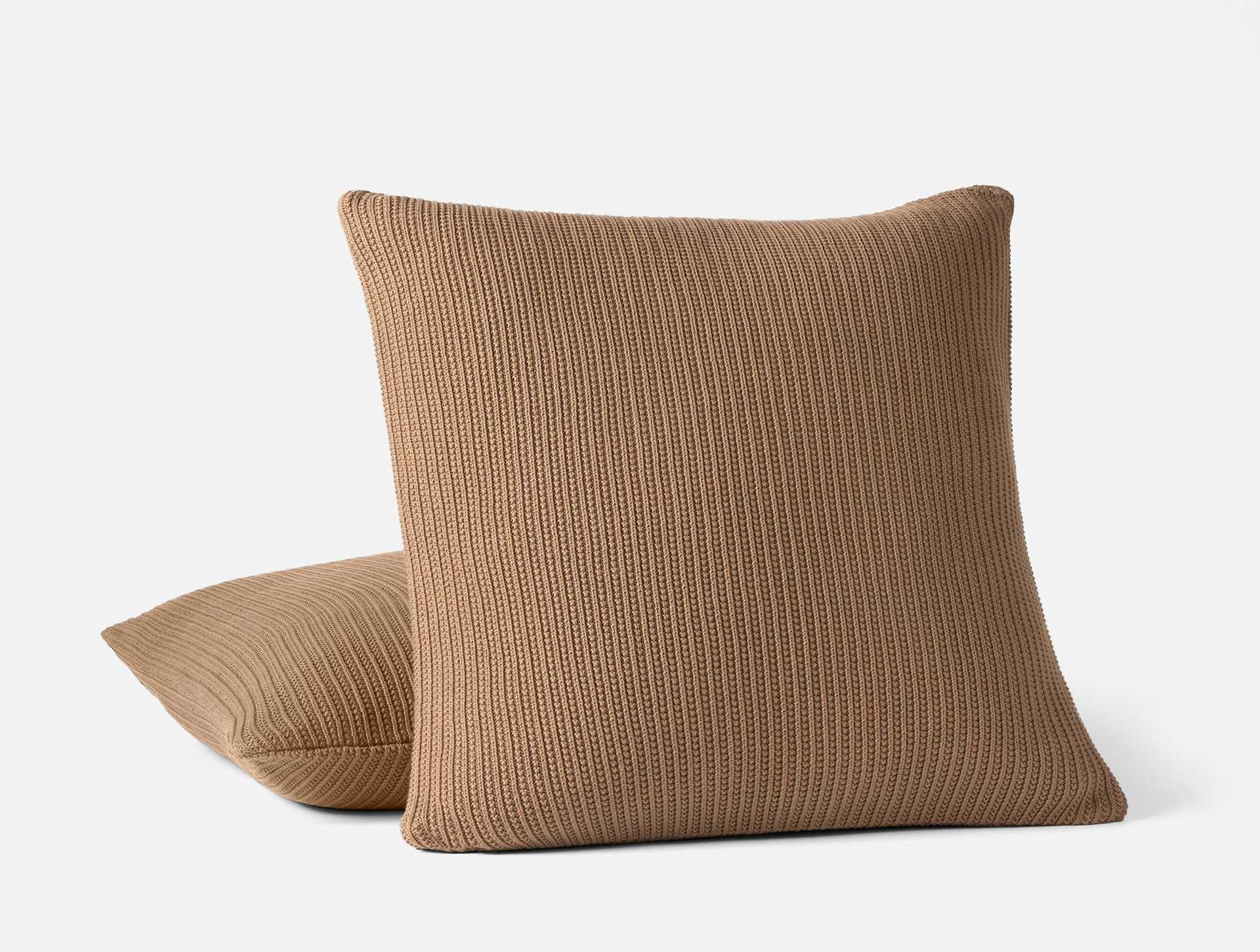
Wrap yourself in luxurious, breathable comfort with every wash—100% GOTS organic cotton, subtle ribbed texture, and a clean invisible zipper for effortless styling and easy care.

Theme