Woolcardi: A Textile Chronicle for Warmth, Craft, and Care

In the quiet arithmetic of fibers and stitches, wool speaks in a language of temperature, texture, and time. Woolcardi invites readers into a discourse on wool, cardigans, and the gentle rituals that knit a culture together—how yarn becomes article, how pattern becomes memory, and how a simple comforter can carry a history of farms, mills, and hands.

This feature explores three directions a site named woolcardi might pursue, with a focus on Direction A: a textile and fiber arts information hub. We trace the semantic seeds of the domain, lay out a cultural map, and weave profiles of key figures from different epochs who illuminate the enduring romance and practical knowledge of wool. Along the way, we lean on real-world product touchpoints to ground the narrative in tangible craft, including one highlight from the all-natural wool comforter family.


Meaningful Pedigrees of a Domain: Wool and Cardi

The word wool conjures shepherds and spinning wheels, the tactile warmth of a handmade shawl, and the grain of a well-worn jumper. “Cardi” reads like a wink: a shorthand for cardigan, a nod to cardio-culture, or a personal name that could belong to a quiet, studious editor of a fiber library. Together, woolcardi positions a space where wool is not merely material but a discourse: the care of fiber, the craft of construction, and the history that threads through loom and legend.

In a world saturated with algorithmic supply chains and fast fashion, woolcardi as a hub can celebrate slow knowledge: glossary primers, species and breed notes, the taxonomy of fleece, dye culture, and the social economies of sheep farming. The brand language stays warm, precise, and generous—an invitation to beginners and connoisseurs alike.

The naming also holds an opportunity for cross-disciplinary resonance. Cardigans and cardio, knitwear and health, textile history and modern sustainability—these threads can be braided into a single, humane brand narrative. The concept also cautions against conflating woolcraft with unrelated fields; clarity becomes a virtue, and the tone remains unmistakably textile-centered.

Three Time-Spread Figures: Voices from Different Eras

  • 1) 17th–18th Century: The Textiles Historian as Field Captain

    In a period when guild records and parish ledgers spoke more clearly than modern catalogs, a textiles historian might scan for the wag of a wool’s provenance—the way a market-town ledger described a bale of Merino as if it held a secret. This voice teaches us to read fibers like a map: fleece type, loom width, and weave structure become coordinates in a larger geography of labor and craft. On woolcardi, such a portrait would populate a “History of Wool” section with crisp, narrative case studies—sheep breeds, carding techniques, and the social life of the spinning wheel.

  • 2) The Early 20th-Century Ethnographer: Weaver as Cultural Archivist

    The ethnographer who documented regional textile traditions would illuminate the way cardigans migrated from utilitarian wear to household style. They would register patterns that traveled across landscapes—the diamond motif from a Scottish cardigan, the cable twist that traveled from Irish mills to American living rooms. This voice pushes woolcardi toward a “Pattern Anatomy” section, decoding stitches, construction methods, and historical silhouettes, while anchoring each pattern in its social and geographic origin.

  • 3) The Contemporary Fiber Scientist: Sustainable Wool Ethos

    A 21st-century scientist-critic would foreground the ecological texture of wool—from pasture to product. They would foreground lifecycle thinking: wool’s natural temperature regulation, odor resistance, and the ways in which hand-tufting and corner ties preserve loft in comforters. The contemporary voice on woolcardi could translate data into accessible care tips, ethical sourcing notes, and transparent supply chain narratives that readers can trust.

A Practical Palette for Direction A

  • Educational guides: how-tos, stitch dictionaries, and pattern anatomy.
  • Glossaries: wool grades, fiber sources, and textile terms.
  • History and culture: production histories, regional traditions, and notable textiles.
  • Sustainability and care: natural dyes, wool care methods, and ethical sourcing tips.
  • Resource lists: curated readings, museum collections, and non-commercial linking to suppliers.

The aim is to create a calm, thoughtful archive that rewards curiosity with clarity. The site becomes a steady companion for knitters, students, librarians, curators, and curious readers who want to understand the cloth between their hands.

Direction A: Textile and Fiber Arts Information Hub

The hub model centers on education, reference, and craft. It thrives on the generosity of precise instructions and the patience to present analog techniques in a digital-friendly form. The warmth of wool becomes a metaphor for the site’s tone: patient, inviting, and quietly confident.

The editorial approach borrows the cadence of The New Yorker: lucid, gently opinionated, and observational, with rooms for long-form explainers and brisk, practical how-tos. The content can be structured around pillars: Wool Types and Care, Technique Deep Dives, Wool and Society, and The Wool Ledger (a glossary and reference hub).

On the visual front, the palette stays earthy—creams, warm browns, soft blues and greens—paired with diagrams that illuminate stitch structure and wool anatomy. The typography favors readability with generous line length and ample white space to mirror the calm rationality of a well-worn pattern book.


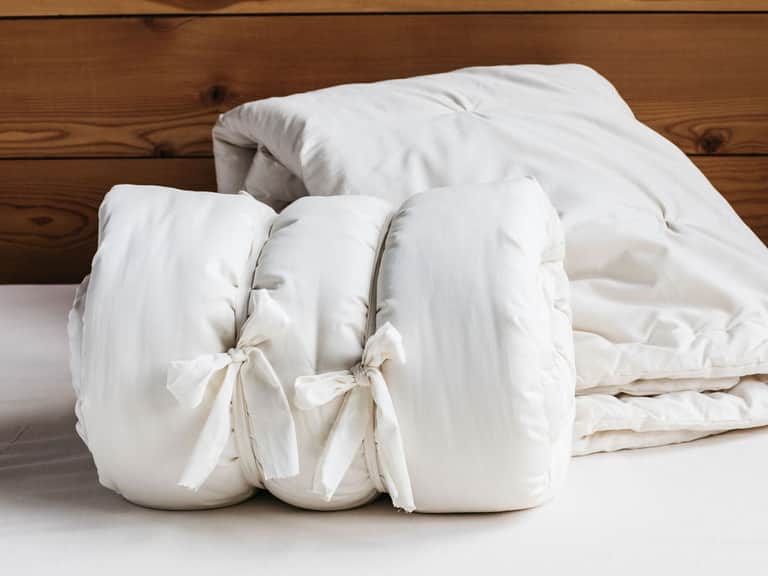
For tangible texture and to anchor the discourse, we highlight a prototype item from the Woolcardi catalog: the All-Natural Wool Comforter. This item epitomizes the hub’s values—domestically sourced eco wool, an organic cotton shell, hand-tufted loft, and careful construction that endures through seasons.

All-Natural Wool Comforter

All-Natural Wool Comforter

Domestically sourced eco wool with an organic cotton shell, hand-tufted and quilted for lasting loft.

$239.00

Corner ties for duvet attachment; machine-washable in cold water; sun refresh recommended.

This product embodies the tactile philosophy of woolcardi: natural warmth, technical reliability, and a respect for the material’s intrinsic properties. It serves as a practical exemplar for readers who want to see how fibers translate into everyday comfort without rhetorical flourish—just honest, well-made textiles.


Proposed Site Structure and Sample Content Pieces

The following outline sketches the bones of Direction A: an information hub that remains accessible while offering depth for advanced readers. Each content piece is designed to be evergreen, with occasional timelier features tied to wool’s seasonal cycles, dye experiments, and museum showcases.

  • 1) Wool 101: A Quick Guide to Fleece and Fiber – A primer explaining animal origins, fiber properties, and why wool behaves the way it does when steamed, twisted, or felted.
  • 2) The Language of Knots and Stitches – A series of stitch dictionaries, annotated diagrams, and pattern anatomy—garter stitch, stockinette, cables, and lace explained with clarity.
  • 3) Wool and Care: A Seasonal Care Calendar – Practical care advice such as washing, blocking, moth prevention, and storage strategies aligned with climate and household routines.
  • 4) Wool in History: Regional Traditions – Case studies of wool’s role in different cultures, with a focus on textile mills, farm-to-loom narratives, and archival images (where permissible).
  • 5) Sustainability Studio: Practical Dyestuffs and Responsible Sourcing – A digest of natural dyes, fiber provenance, and ethical considerations for textile makers.

Closing Thoughts: A Community of Quiet Craft

The woolen cosmos is not merely about warmth; it is a discipline of patience and care. It asks readers to slow down long enough to measure a skein’s potential, to name the fibers with accuracy, and to understand the labor behind every seam. In this sense, woolcardi is less a brand and more a porch: a protected space where the exchange of knowledge about wool—its history, its care, its patterns—becomes a shared ritual.

The editorial aspiration mirrors the elegance of well-crafted objects: to educate without presumption, to entertain without distraction, and to linger over the details that make textiles not just objects, but stories we daily inhabit.

If you’d like, I can draft a sample sitemap and a 12-week content plan to kick off Direction A, including audience personas, SEO priorities, and editorial calendars that honor the meticulous, generous voice described here.

Related Products

All-Natural Wool Comforter

holylamborganics

All-Natural Wool Comforter

Luxuriously breathable eco wool in a soft organic cotton shell stays warm when needed and cools when it’s hot, with corner ties for secure duvet stay. Easy care, natural softness, toddler option, and lasting loft for cozy comfort year-round.
All-Natural Wool Comforter

Holy Lamb Organics

All-Natural Wool Comforter

Luxuriously warm yet breathable eco wool, encased in organic cotton, stays lofted with hand-tufted precision. Corner ties keep the duvet secure, and seasonal comfort is effortless—spot clean, sun refresh, or machine wash cold for easy care.
Linea Organic Knit Decorative Pillow Cover

Coyuchi

Linea Organic Knit Decorative Pillow Cover

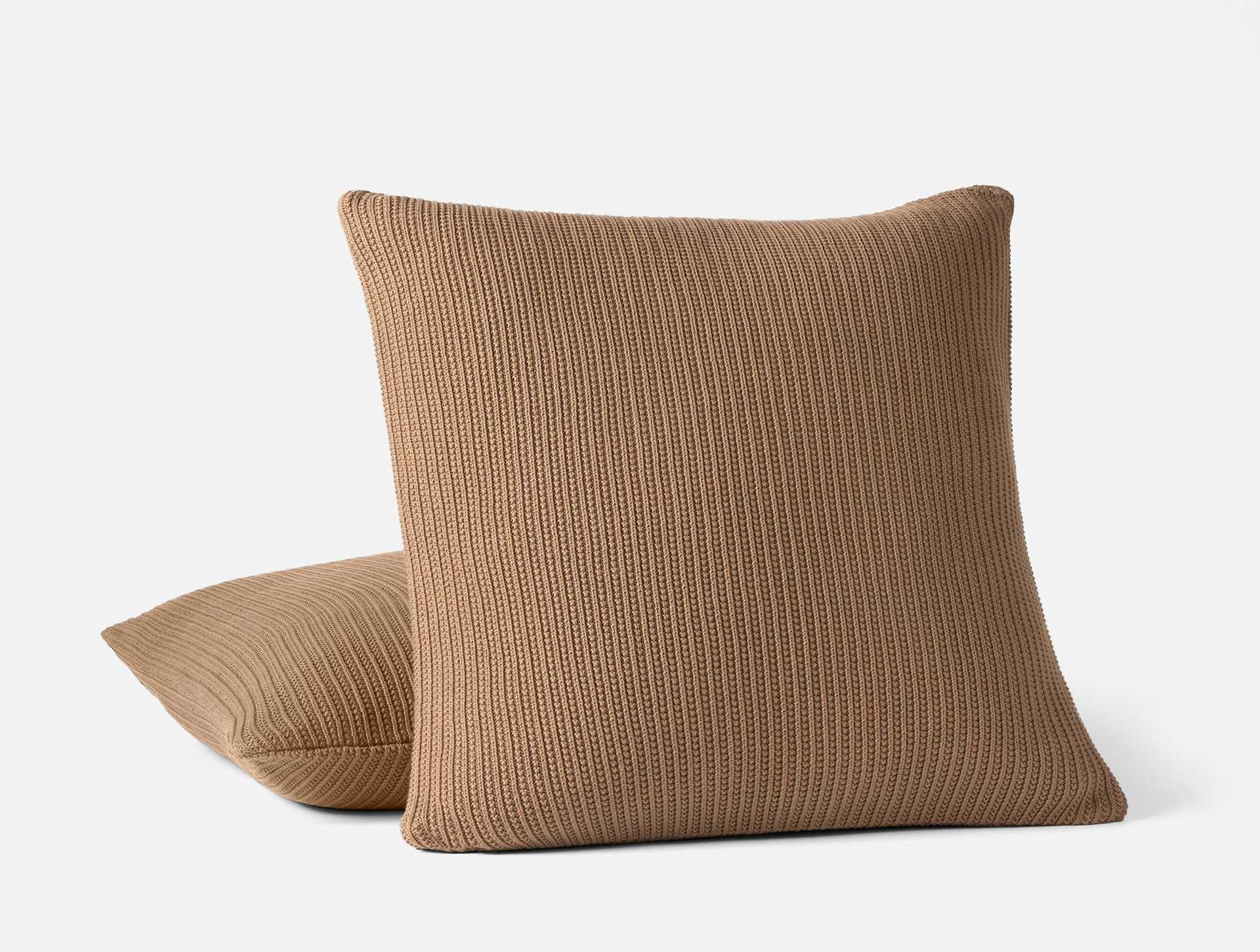
Wrap yourself in luxurious, breathable comfort with every wash—100% GOTS organic cotton, subtle ribbed texture, and a clean invisible zipper for effortless styling and easy care.

Theme